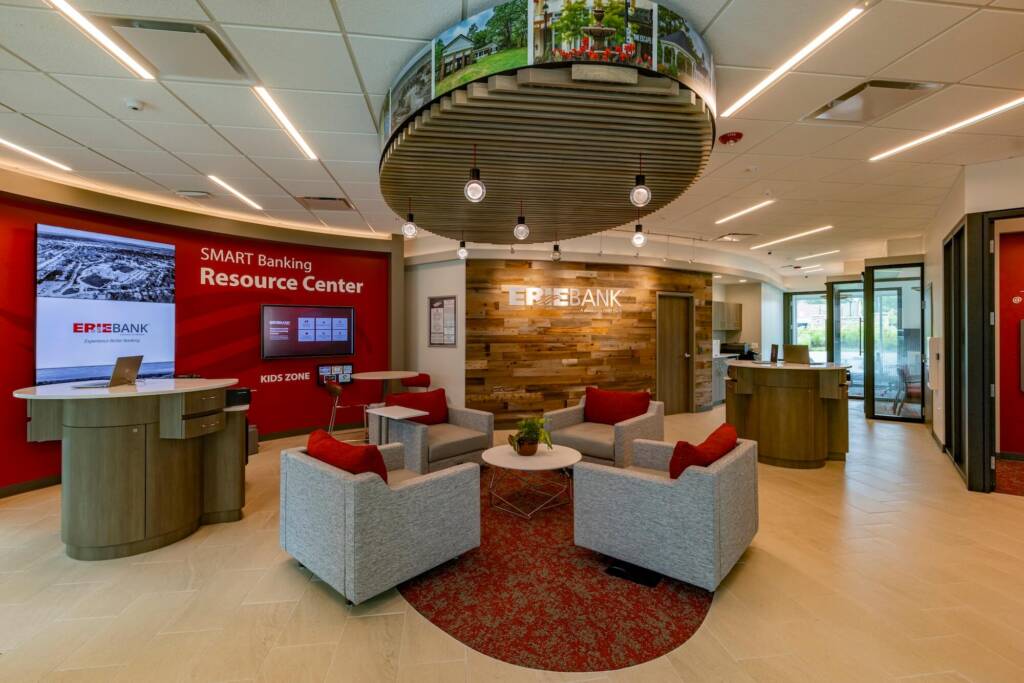
A branch prototype allows you to standardize branch design, decide what stays consistent, and what can flex before network rollout. The model includes the basics, like teller positions, offices, lobby space, and back-of-house areas. It also defines how the branch operates: where members or customers go first, how employees greet them, where technology fits, and which brand elements should repeat across the network.
What is a Prototype?
The prototype defines how the branch operates, how the experience flows, what spaces are needed, and what should stay consistent across the network.
It helps to think about prototype design in three connected layers: at the top is the prototype, which is made of the kit-of-parts, and then, the signature elements.
The kit-of-parts is the group of functional components that make the branch work: exterior branding and marketing presence, teller areas, offices, lobby zones, engagement areas, conference rooms, hoteling offices, IT rooms, ATM rooms, safe rooms, restrooms, and back-of-house spaces.
The signature elements are the recognizable pieces that carry the model and the brand. That might be a teller pod design, a greeter station, a freestanding touch kiosk, a tech bar, a brand wall, a graphic soffit, a furniture package, a physical sign, ATM surround, exterior banding, or a localized photography system. 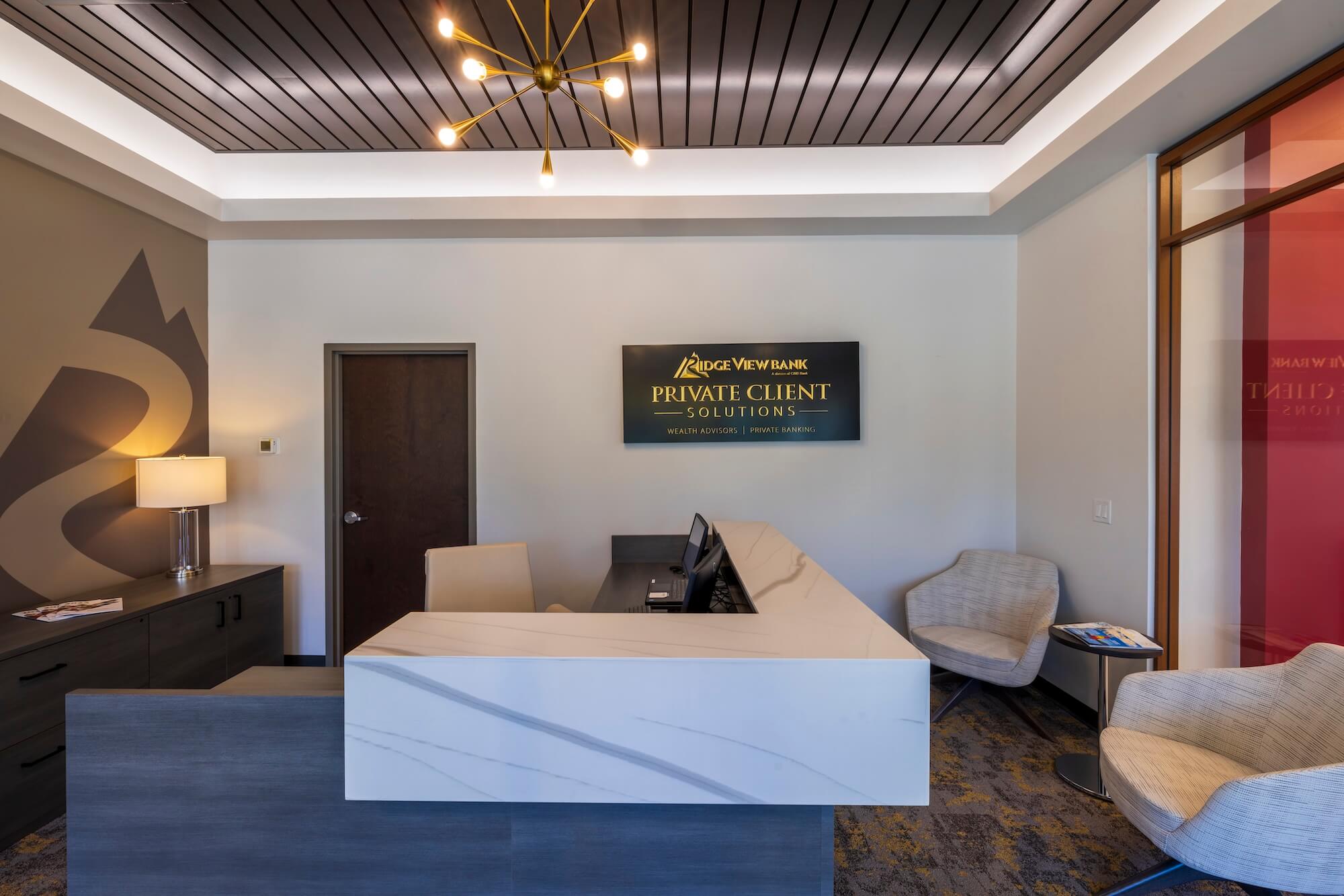
Those layers only work if they are tied back to operations. A teller pod can be a signature element, but it still has to hold the equipment employees need. A hoteling office can help a smaller branch work harder, but only if the staffing model supports it. A brand wall can create consistency across locations, but it may also need to change by market through local imagery.
The goal is to make every branch feel like it belongs to the same institution while still giving each location room to function well.
The Value of Branch Prototyping
Financial institutions are still investing in physical locations, even as digital banking handles more routine activity. In 2026, JPMorgan Chase announced plans to open more than 160 branches and renovate nearly 600 locations, which reinforces that branches still have a place in the network. Branches need to be clear about what they are there to do.
Prototyping helps you create a welcoming, easy-to-navigate space that aligns with your customers’ and members’ needs. For some institutions, the branch needs to support fast transactions. For others, it needs to make room for advisory conversations, account opening, lending support, financial education, or a stronger local presence. For many, it needs to support several of those needs at once. The prototype should be built around that purpose, not around assumptions about what a branch is supposed to include.
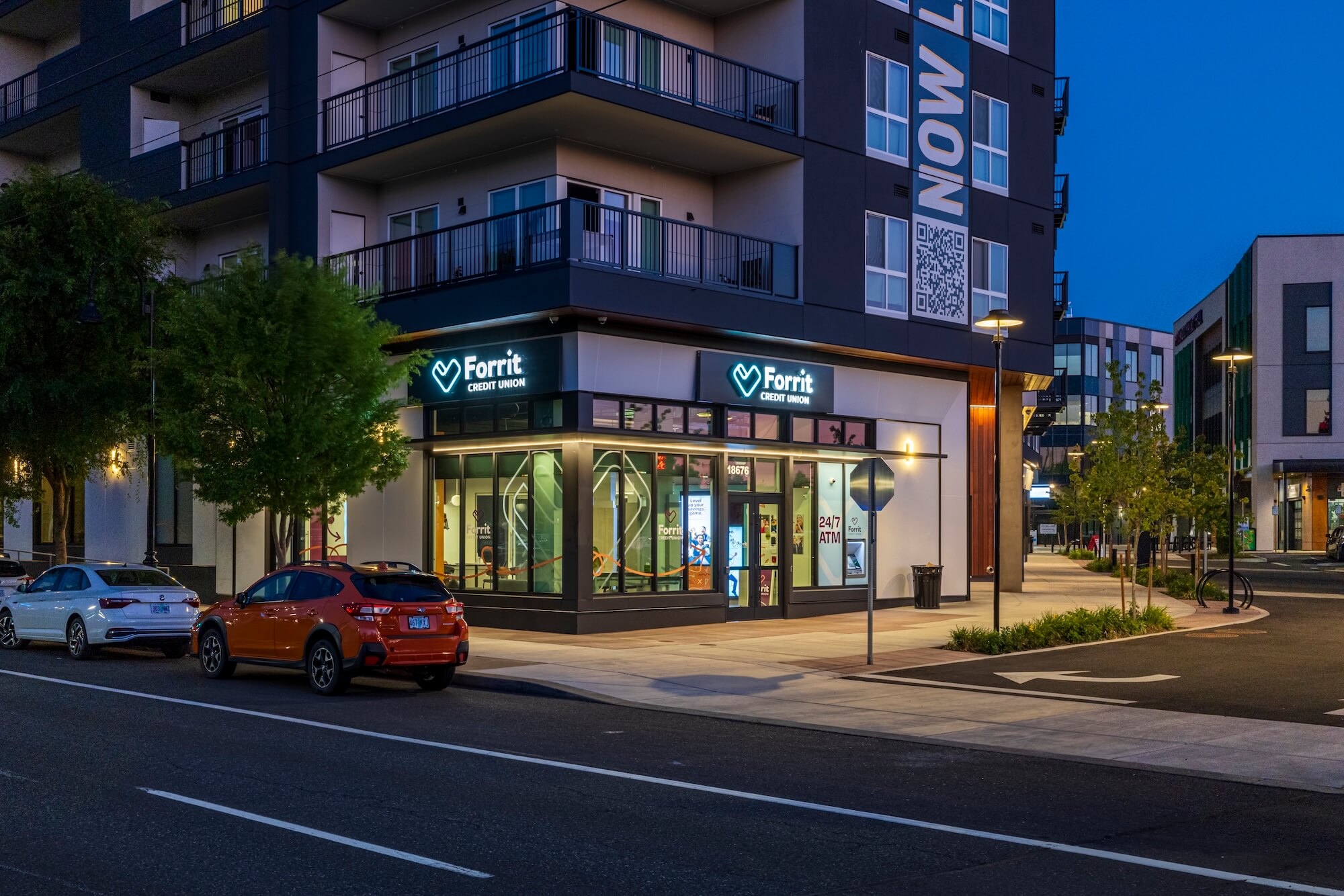
Your branch is a physical representation of your financial institution’s brand. A fresh, modern design shows that you’re committed to innovation and creating a worthwhile experience. A well-planned prototype can make your brand seem more forward-thinking, giving you a competitive advantage and helping you attract new customers and members.
6 Tips to Building a Successful Branch Prototype for Financial Institutions
Creating a branch prototype involves a comprehensive approach that goes beyond just choosing furniture and technology. It requires thoughtful planning, testing, and refining your space to make sure it meets your customers’ needs and aligns with your institution’s goals. Here’s a step-by-step guide to help you plan and execute your branch prototype project:
1. Planning and strategy: start with how the branch operates
Before finishes, furniture, and graphics come into the conversation, the operating model needs to be clear.
How does the institution want the branch to work? How should employees interact with members or customers? What happens when someone walks through the door? Is the branch centered on transactions, advice, self-service, or a mix of the three?
If a branch still relies on a traditional teller line, the design needs to support queuing, privacy, equipment, security, and a clear service path. If the institution wants a more open pod system, the design needs to feel approachable while still making employee work zones clear. If routine transactions are moving to ITMs, the branch still needs to define what staff are doing nearby: greeting, guiding, troubleshooting, or stepping in for a more personal conversation.
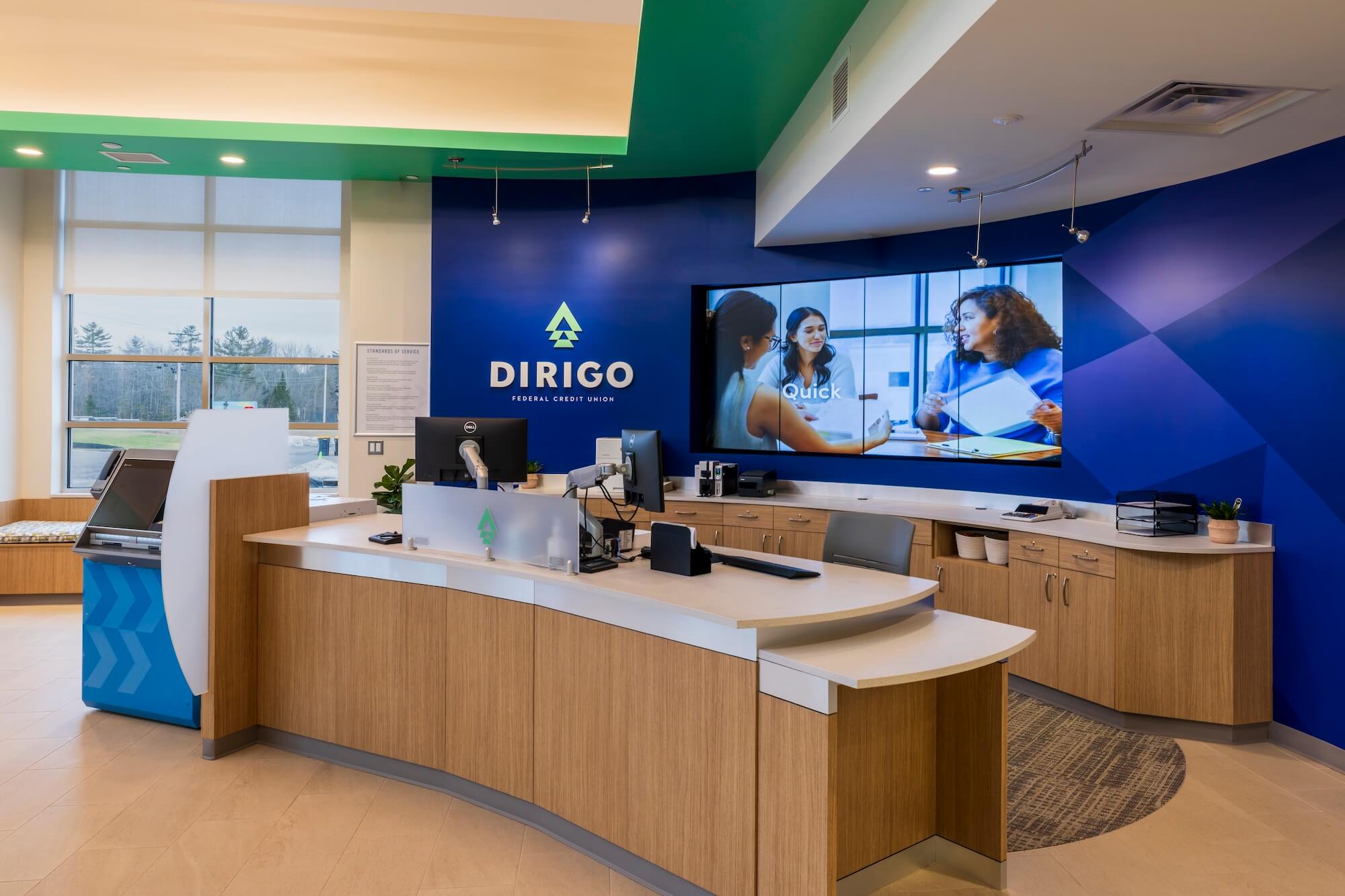
That is where the first layer of programming starts to take shape. How many teller positions are needed? How many offices? Are those offices assigned to specific employees, or does the branch need hoteling or flex rooms? Is there a greeter? Does that person complete transactions, direct traffic, or move customers into offices? Does the lobby need a touch display, a tech bar, a coffee area, or a kids’ space? How much back-of-house space is required for IT, ATMs, safes, storage, and employee needs?
2. Map how people move through the branch
Transaction decisions show up in the way people move through the space.
That means looking at the experience from both sides: the person coming into the branch and the employee serving them. What should the customer feel when they enter? What should the employee do first? Where does the conversation happen? When does technology lead, and when does a person step in?
A teller line creates a familiar and structured flow. It gives people a clear place to go, but it can also make the interaction feel more transactional. A pod system feels more open and conversational, but only when the design is doing the right work. The customer needs to feel invited to approach the pod without feeling invited behind it. That comes down to the shape of the pod, the height of surfaces, the placement of equipment, and the way circulation is handled around it.
An ITM-forward branch shifts routine activity toward self-service, but staff still need a clear purpose in the lobby. They may be greeting people, showing someone how to use the machine, troubleshooting, or stepping in when a customer wants help from a person. In a hybrid model, both paths need to feel intentional. Technology should not feel like the only path, and human service should not feel like a fallback.
Additionally, exterior parking and entry points are key considerations that affect flow and any exterior signage, surrounds, and banding in the signature elements package.
That customer experience also must line up with employee workflow. If employees are expected to move between greeting, transactions, and advisory conversations, the branch needs spaces that support that movement. If roles are more fixed, the plan needs to make those roles clear and efficient. Customers should be able to understand how the branch works without being told twice.
3. Make the signature elements earn their place
Signature elements are the pieces people recognize across the network, but they should do more than create a consistent look.
Consider how technology can improve customer service and streamline operations. Options include digital signage, self-service kiosks, or integrated mobile solutions that let employees help members or customers anywhere in the branch. This could include tablets or smartphones that allow staff to access information and complete transactions without being stuck at a desk.
A teller pod should fit the equipment, support the employee, feel approachable to the customer, and work within the branch footprint. A touch kiosk should be placed where customers can see it, use it comfortably, and get help if they need it. A brand wall can reinforce the institution’s identity while making room for local photography or market-specific content.
This is where prototype design can support both consistency and local relevance. The design system can stay the same while the imagery, scale, placement, or quantity changes by location.
That balance matters. Accenture’s 2025 Global Banking Consumer Study argues that banks need to build stronger connections across touchpoints and communicate in ways that show they know and understand their customers.
4. Give staff roles the right space
Digital banking has changed branch design, but it has not removed the need for people. If customers come into a branch less often, the visit needs to be useful, clear, and worth their time.
J.D. Power’s 2025 Retail Banking Advice Satisfaction Study found that customer interest in receiving advice and guidance from retail banks is rising. The same study notes that more retail banking customers are financially vulnerable than five years ago, which gives the physical branch a role beyond routine transactions. (jdpower.com)
That does not mean every prototype needs a universal banker model, a greeter, or a large advisory zone. A greeter can help direct traffic and take pressure off the teller line, but only if the role is defined. Is that person welcoming customers and pointing them in the right direction? Can they pull someone out of line for a quick transaction? Can they move into an office and open an account? Each version requires a different kind of space and a different staffing plan.
A universal banker model can create more flexibility, but it requires training. If employees are expected to handle office work, teller work, and customer support, the prototype needs to support that movement. If the branch uses more fixed roles, the layout needs to make those positions efficient and easy to understand.
5. Know what flexes before the footprint changes
A design developed around a 2,000-square-foot branch cannot simply be forced into 1,500 square feet. The important question is what can change without breaking the way the branch is supposed to operate.
In a smaller branch, that may mean fewer offices, fewer transaction points, or a smaller engagement area. A conference room may double as a hoteling office. A large tech bar may become a smaller digital touchpoint. A community space may not fit, but the branch can still preserve the core customer flow and the most important brand elements.
In a larger branch, the institution may add offices, a larger conference room, a training room, a community area, or a more generous engagement zone. The extra square footage should not become a reason to add space without purpose. It should support the same operating model in a fuller way.
That is where the kit-of-parts becomes useful. It helps define what is required, what can flex, and what is optional based on footprint and market need.
This kind of discipline matters in a branch environment where physical networks are being evaluated more carefully. A prototype gives the team a way to make those calls without redesigning the branch from scratch each time.
6. Consistency does not mean the prototype stops changing after the first location opens.
Every rollout teaches something: a teller pod may need a small adjustment once employees use it every day, equipment may change either by advancing or in size. A furniture package may need to adapt.
The strongest prototypes give institutions a framework for learning. They preserve the overall model while allowing the details to improve from one location to the next. That matters because customer expectations, staffing models, and technology will continue to change.
Success Stories: How our Prototypes Delivered Results
Desert Financial Credit Union – Mesa, AZ
Challenge: Desert Financial wanted to reach more members by setting up branches within grocery stores. They needed a design that would fit a smaller space without losing the feel and functionality of their regular branches.
Solution: Element designed a 460-sq.-ft., in-store branch prototype. Despite the small size, the branch offers a full range of services, including teller pods for personalized assistance, private offices for confidential consultations, and advanced ATM solutions for self-service needs. We also installed a large video wall to display the latest promotions and deals, making it easy to catch the attention of shoppers. Despite the smaller size, the branch maintained a welcoming, modern feel.
Result: The new in-store branches have increased member engagement and allowed Desert Financial to enter new markets at a lower cost than building full-sized branches. The video wall and open layout helped attract new members and strengthen Desert Financial’s presence in high-traffic areas. Within 10 weeks of design and 7 weeks of implementation, Desert Financial was able to create a successful branch prototype that extended its reach and member services without compromising the overall look and feel of its brand.
Blue Hills Bank – Milton, MA
Challenge: Blue Hills Bank needed to make the most of a small space—only 1,500 square feet—when designing their Milton branch. They aimed to create a welcoming and functional environment for private banking while maximizing the limited area.
Solution: Element collaborated with Blue Hills Bank to design a prototype branch that maximized the limited space and maintained a contemporary look. The resulting design features rounded shapes and flowing lines to create the illusion of a larger space.
We included a Discovery Center, a tech bar where customers can explore financial products through interactive tools and learn more about banking. Additionally, we incorporated the Blue Hills Bank Account Finder, an interactive tool that helps customers identify the right financial products for their needs.
To enhance openness and light while still providing privacy for sensitive discussions, we used glass walls and sliding doors in the office areas. This design not only creates a welcoming atmosphere but also supports the bank’s commitment to modern banking solutions.
Result: The new design created a modern and inviting space that encourages customers to engage and interact. The use of reflective aluminum and materials like wood and metal gives the branch a contemporary feel without being too cold or sterile. The addition of technology, including illuminated ATM surrounds and raised metallic letters, works to enhance the overall look and accessibility of the branch. This Milton location serves as a successful model for future expansions, helping leaders to strengthen brand identity and better serve their customers.
CNB Bank’s Network
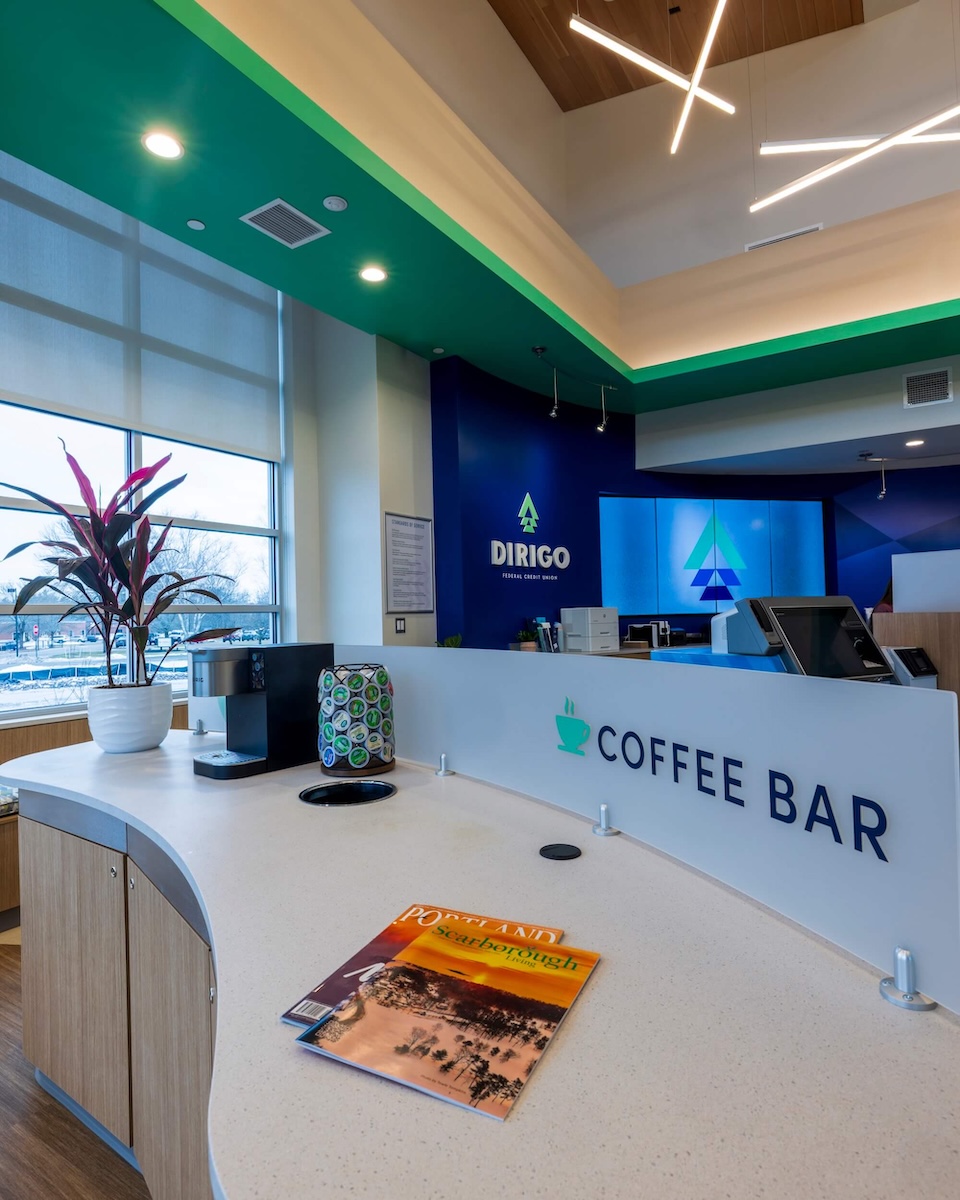
CNB Bank partnered with Element to elevate and unify its brand presence across all branch locations. One of the main features Element designed is the SMART Wall, along with a welcoming coffee bar, which appears in branches across CNB’s divisions, including ERIEBANK, FCBank, BankOnBuffalo, Ridge View Bank, and Impressia Bank. These features bring a warm, consistent touch to each branch, beautifully showcasing CNB’s dedication to creating a welcoming and customer-centered experience everywhere they serve.
Maximizing ROI from your Branch Prototype
To make sure your branch prototype gives you a good return on investment (ROI), it’s important to have a clear strategy in place that focuses on measurable goals, cost analysis, and ongoing improvements. Here’s how you can achieve this:
1. Start by asking the right questions
One of the biggest mistakes is starting a branch prototype without clear goals. It’s essential to define specific objectives and measurable outcomes right from the start. Setting KPIs helps guide the project and keeps everyone focused on what success looks like. Without clear objectives, the project can easily drift, leading to wasted time and resources. Defining Key Performance Indicators (KPIs) like customer satisfaction scores or the number of new accounts opened within a year will help you make those initial design choices and measure if your prototype is hitting the mark.
Start by setting overall KPIs: what are you hoping to achieve? Is it more customer visits, higher transaction volumes, or maybe just a more efficient use of space?
From there start asking questions such as:
How does the branch need to operate to achieve these goals?
- How are transactions handled?
- Where does technology belong in the experience?
- What should members or customers experience when they walk in?
- Which staff roles are fixed, and which are flexible?
- What do employees need to do their jobs well?
- Which spaces are essential?
- Which spaces can flex?
- Which signature elements should repeat?
- Which elements can localize by market?
- How should the model change in smaller and larger footprints?
- How will feedback from each rollout improve the next location?
2. Compare costs and benefits
It’s important to weigh the costs of your prototype against the potential benefits. Think about everything from construction expenses and tech integrations to long-term operational savings. For example, does your new layout reduce staff requirements? Are customers using self-service options more often? Evaluate these factors to make sure your investment is justified and delivering value. Remember, a smartly designed branch should pay off by boosting revenue, improving efficiency, and increasing customer retention.
3. Keep improving with data
Don’t just set up your prototype and forget it—keep track of how it’s doing! Use data and employee and customer feedback to refine and enhance your design and operations. For example, if you notice that certain technologies aren’t being used as expected, it might be time to reassess or replace them. Staying flexible and willing to make adjustments based on real-world feedback will keep your branch relevant and performing at its best.
4. Design for future-proofing
Design your prototype with future needs in mind, such as transitioning from TCRs (Teller Cash Recyclers) to ITMs (Interactive Teller Machines), without needing a complete renovation down the line. Even if you’re not ready to implement new technologies right away, designing spaces and millwork with future upgrades in mind can save significant costs later. For example, you can leave space or include flexible infrastructure to easily accommodate future ITM installations. This way, when you’re ready to transition, the change can happen smoothly, avoiding the need to remodel the entire branch again.
5. Include staff
Your employees are on the front lines every day and have valuable insights into what works and what doesn’t. Ignoring their input can result in a branch that looks good on paper but doesn’t work well in practice. Involving staff early on can help identify potential issues with layout, technology integration or customer flow, and the implementation of a retail mindset. Their feedback can help fine-tune processes, improve service, and ensure the branch runs smoothly. When staff feel heard and are part of the process, they’re more likely to embrace the changes, leading to a more successful transformation.
A successful prototype is not just a branch design. It is a working model for how the institution serves people, supports employees, expresses its brand, and grows or updates its network over time.